Aircraft Battle Damage Assessment ABDA Training
ABDA Training, Battle Damage Assessment
Meets OEM Standards

Course ID:
ATS2161
Level:
Intermediate
Duration:
5 days
Total Hours:
37 hrs
Classroom
25h
Practical
12h
Online
no info
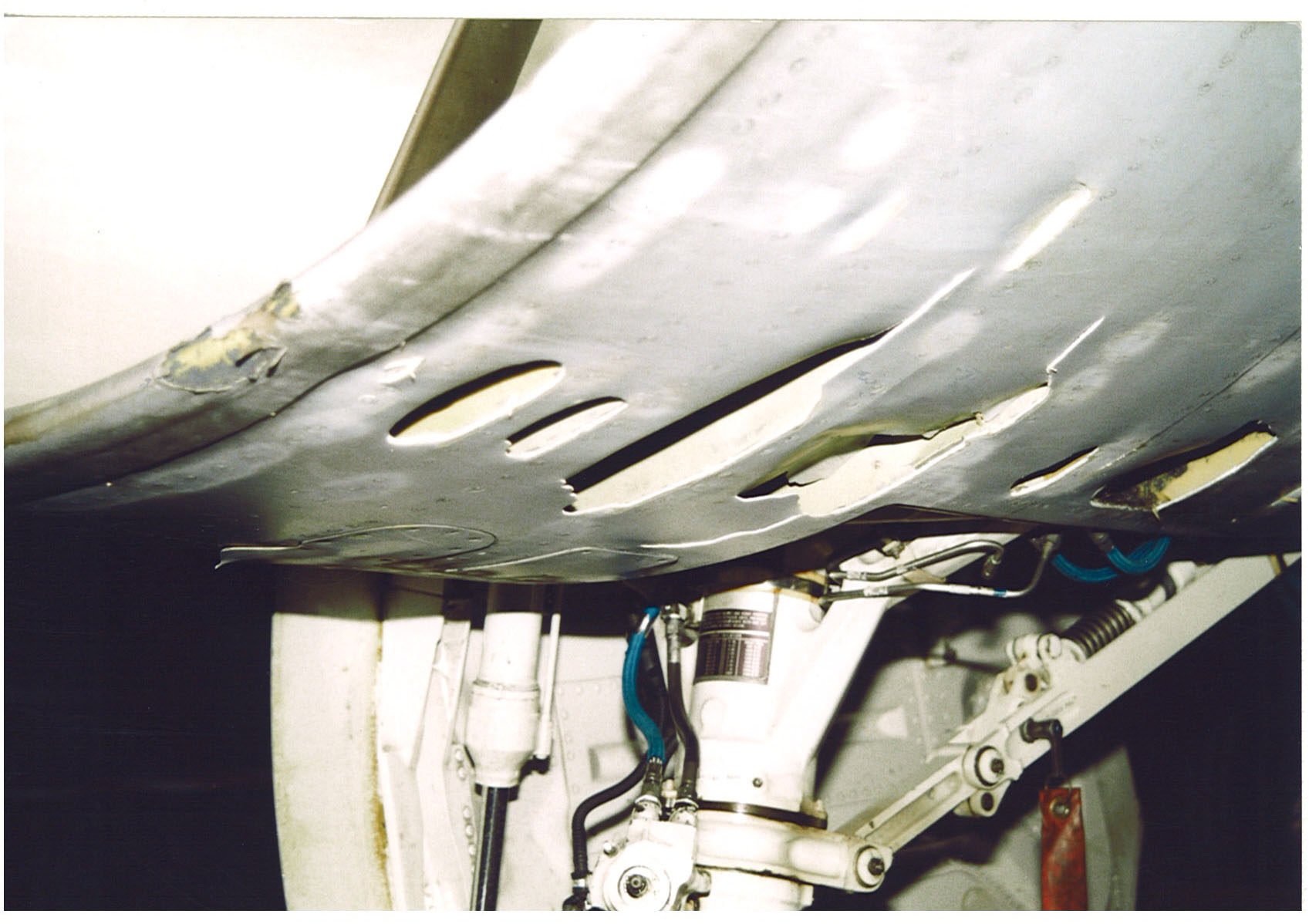
Course Gallery
For Whom
The Aircraft Battle Damage Assessment (ABDA) course is designed for military maintenance personnel, structural technicians, and support crews responsible for assessing and executing field-level aircraft repairs in combat or contingency environments. It is suitable for airframe specialists, battle damage assessors, and engineers working in frontline operations, expeditionary units, or deployed maintenance teams. This course is ideal for individuals who: • Operate in environments where pneumatic tools and full facilities may be unavailable; • Are tasked with restoring aircraft to mission-capable status under time pressure; • Need to apply rapid structural repair techniques using field-adapted tooling; • Are part of ABDR teams, quick-repair crews, or combat sustainment groups.
Prerequisites
No prior experience with ABDR is required, but participants should have a basic understanding of aircraft structures and repair principles.
Scope and Purpose
In modern conflict zones, aircraft are exposed to threats that demand fast, informed action on the ground. The Aircraft Battle Damage Assessment (ABDA) course prepares participants to play a critical role in restoring air assets to mission-capable status — not by repairing them, but by making the right calls
under pressure. This course equips participants with the knowledge and tools to inspect, classify, and evaluate combat damage, and to provide clear, defensible recommendations on whether an aircraft can safely return to flight. These assessments have a direct impact on operational readiness, crew safety, and mission success.
Unlike repair-focused programs, ABDA training emphasizes structured decision-making under real-world constraints. Participants learn to interpret the Aircraft Battle Damage Repair (ABDR) manual, use standardized assessment tools and documentation, and operate within the logistical and material
limitations of the field.
They will develop the ability to:
▪ Distinguish between repairable and non-repairable damage;
▪ Assess the quality of completed field repairs;
▪ Understand mission risk and flight safety implications;
▪ Communicate findings effectively to both engineering and command.
Through realistic damage simulations, technical exercises, and scenario-based learning, this course shapes confident, capable assessors who are trained to make timely, mission-critical decisions in high-stress environments.
Whether deployed in combat zones or supporting frontline operations, ABDA-trained personnel contribute directly to keeping aircraft flying — and missions on track.
under pressure. This course equips participants with the knowledge and tools to inspect, classify, and evaluate combat damage, and to provide clear, defensible recommendations on whether an aircraft can safely return to flight. These assessments have a direct impact on operational readiness, crew safety, and mission success.
Unlike repair-focused programs, ABDA training emphasizes structured decision-making under real-world constraints. Participants learn to interpret the Aircraft Battle Damage Repair (ABDR) manual, use standardized assessment tools and documentation, and operate within the logistical and material
limitations of the field.
They will develop the ability to:
▪ Distinguish between repairable and non-repairable damage;
▪ Assess the quality of completed field repairs;
▪ Understand mission risk and flight safety implications;
▪ Communicate findings effectively to both engineering and command.
Through realistic damage simulations, technical exercises, and scenario-based learning, this course shapes confident, capable assessors who are trained to make timely, mission-critical decisions in high-stress environments.
Whether deployed in combat zones or supporting frontline operations, ABDA-trained personnel contribute directly to keeping aircraft flying — and missions on track.
Selection Learning Goals
* Interpret and apply ABDR principles from the perspective of damage assessment, operational readiness, and mission impact
* Identify, classify, and prioritize combat-related aircraft damage using visual indicators, functional impact, and field assessment tools
* Distinguish between repairable and non-repairable damage using deferment criteria, safety margins, and mission requirements
* Evaluate the quality and suitability of completed field repairs, ensuring alignment with operational and flight safety standards
* Communicate clear, structured damage assessments using standard documentation, field reports, and chain-of-command protocols
* Support mission-critical decisions by providing accurate, defensible input to fly/no-fly calls and readiness evaluations
* Apply structured tools, such as decision trees, checklists, and risk matrices, to ensure consistent and repeatable assessment procedures
* Operate effectively under field limitations, understanding how time pressure, tooling constraints, and tactical objectives influence repair decisions
* Coordinate with multidisciplinary teams including maintenance crews, field engineering, and command structures to ensure aligned response
* Recognize incomplete or unacceptable repairs and identify risks that may compromise mission capability, safety, or aircraft integrity
* Identify, classify, and prioritize combat-related aircraft damage using visual indicators, functional impact, and field assessment tools
* Distinguish between repairable and non-repairable damage using deferment criteria, safety margins, and mission requirements
* Evaluate the quality and suitability of completed field repairs, ensuring alignment with operational and flight safety standards
* Communicate clear, structured damage assessments using standard documentation, field reports, and chain-of-command protocols
* Support mission-critical decisions by providing accurate, defensible input to fly/no-fly calls and readiness evaluations
* Apply structured tools, such as decision trees, checklists, and risk matrices, to ensure consistent and repeatable assessment procedures
* Operate effectively under field limitations, understanding how time pressure, tooling constraints, and tactical objectives influence repair decisions
* Coordinate with multidisciplinary teams including maintenance crews, field engineering, and command structures to ensure aligned response
* Recognize incomplete or unacceptable repairs and identify risks that may compromise mission capability, safety, or aircraft integrity
Additional Information
Standards
Meets OEM Standards
Modules & Topics
| Module & Hours | Title & Description |
|---|---|
|
Module 0
Class: 0.50h
|
Course Introduction
Level:
1
|
|
Module 1
Class: 2.00h
|
Introduction to ABDA
Level:
1
This module introduces participants to the fundamentals of Aircraft Battle Damage Assessment (ABDA) and its distinction from Aircraft Battle Damage Repair (ABDR). It outlines the operational philosophy behind field-level repair support and emphasizes the unique responsibilities of personnel involved in damage evaluation and decision-making. Participants will learn how to interpret the ABDR manual from an assessment perspective, understand the standard procedures applied in battlefield maintenance scenarios, and recognize how combat threats influence both assessment priorities and repair urgency. The module also highlights the capabilities and limitations of mission-driven operations and explores the collaborative roles and communication dynamics within the ABDA team structure.
Topics:
•
* 1. ABDR Philosophy
•
* 2. Difference Between ABDA and ABDR
•
* 3. Use of the ABDR Manual
•
* 4. Standard Procedures
•
* 5. Team Responsibilities
•
* 6. Combat Threat and Damage Types
•
* 7. Mission Capabilities
•
* 8. Operational Limitations
|
|
Module 2
Class: 2.50h
|
Operational Resources and Field Limitations
Level:
1
This module provides participants with insight into the practical constraints and logistical realities that influence field-level aircraft repair decisions. While assessors are not directly responsible for executing repairs, they must have a thorough understanding of the tools, materials, and repair kits typically available in Aircraft Battle Damage Repair (ABDR) environments. By learning the contents, intended uses, and limitations of field repair kits—along with substitution policies and cannibalization strategies—participants will be able to make informed evaluations regarding the feasibility and effectiveness of proposed repairs. The module also examines the role of consumables and field logistics in supporting or constraining operational outcomes, emphasizing the importance of realistic decision-making under mission conditions.
Topics:
•
* 1. ABDR Repair Kit
•
a. Contents
•
b. Field Application
•
c. Requirements
•
d. Tool Control
•
* 2. Tool Access and Availability
•
* 3. Substitution and Cannibalization
•
a. Requirements
•
b. Considerations
•
c. Restrictions
•
* 4. Consumables and Logistics
|
|
Module 3
Class: 4.00h
|
Damage Identification and Assessment
Level:
1
This module focuses on the structured identification and evaluation of aircraft battle damage, enabling assessors to determine the nature, extent, and potential consequences of both structural and systems-related issues. Participants will learn to distinguish between different types of damage across metallic and composite structures and apply standard threat categorization techniques. Using visual indicators and systematic assessment procedures, participants will develop proficiency in identifying critical versus non-critical damage, recognizing immediate hazards, and understanding the implications of temporary field repairs. The module also introduces key assessment tools—including deferment tables, checklists, and material charts—to support accurate and informed decision-making in operational environments.
Topics:
•
* 1. Damage Types (Metallic and Composite)
•
* 2. Damage Recognition and Threat Categorization
•
a. Visual Indicators (Structure, Systems, Avionics)
•
b. Critical vs. Non-Critical Damage
•
c. Immediate Hazards (Fire, FOD, Fuel Leaks)
•
* 3. Airframe Battle Damage Inspection
•
* 4. Assessment Procedures and Tools
•
a. Structured Assessment Steps
•
b. ABDR Checklists and Decision Trees
•
c. Measurement and Inspection Tools and Visual Aids
•
* 5. Damage Evaluation
•
* 6. Deferrability Assessment
•
* 7. Limit and Deferment Tables
•
* 8. Structural Material Charts
•
* 9. Composite Inspection Techniques
•
a. Visual and Tap Testing
•
b. Interpreting Delamination or Impact Signs
•
* 10. Temporary Repairs in Metallic Structures
•
a. Recognizing Patch Types and Fasteners
•
b. Visual Indicators of Drilling and Fastening Work
|
|
Module 4
Class: 4.00h
|
Operational Evaluation and Reporting
Level:
1
This module equips participants with the skills needed to translate damage observations into well-informed operational decisions. Emphasis is placed on evaluating the impact of damage on aircraft mission capability and flight safety while maintaining awareness of critical systems and acceptable levels of performance degradation. Participants will learn how to document assessment outcomes clearly and accurately using standard Aircraft Battle Damage Assessment (ABDA) formats and terminology, as well as how to communicate findings effectively to command and engineering personnel. The module prepares assessors to justify their evaluations with confidence, precision, and professionalism, even under operational pressure and time-critical conditions.
Topics:
•
* 1. Mission Impact Evaluation
•
a. Linking Structural or System Damage to Aircraft Function
•
b. Critical Systems and Mission Objectives
•
c. Acceptable Degradation vs. Grounded Status
•
* 2. Flight Safety Assessment
•
a. Operational Limits vs. Emergency Use
•
b. Red Flags for Mission Abort
•
c. Safety vs. Mission Continuity Tradeoffs
•
* 3. Reporting and Documentation
•
a. ABDA Terminology and Format
•
b. Repair and Deferment Status Documentation
•
c. Decision Justification and Recordkeeping
•
* 4. Communication and Command Support
•
a. Coordination with Engineering or OEM Support
•
b. Clear Communication under Time Pressure
•
c. Presenting Findings to Decision-Makers
|
|
Module 5
Class: 8.00h
|
Field Repair Evaluation and Quality Assessment
Level:
1
This module focuses on the assessment of completed structural repairs to determine their adequacy, field suitability, and compliance with operational repair standards. Participants will learn to identify different repair types, assess visible quality indicators, and detect signs of improper execution or material handling. Emphasis is placed on evaluating repairs against established criteria and providing clear, constructive feedback through proper documentation and reporting channels. The assessor’s role is to verify that repairs meet safety, reliability, and mission-readiness requirements—without performing or altering the repair work themselves.
Topics:
•
* 1. Field Repair Quality Indicators
•
a. Fastener and Rivet Quality Checks
•
b. Indicators of Improper Tool Use
•
c. Surface Finish and Patch Fit
•
* 2. Repair Type Identification
•
a. Composite Repair Methods (Patching, Bonding, Bolted Repair)
•
b. Metallic Repair Methods (External Patching, Splice Plates, Riveting)
•
c. Temporary vs. Semi-Permanent Repair Concepts
•
* 3. Repair Verification and Evaluation
•
a. Visual Inspection of Composite Repairs
•
b. Visual Inspection of Metallic Repairs
•
c. Load Path Awareness and Structural Alignment
•
d. Sealant and Patch Compatibility
•
* 4. Signs of Improper Repairs
•
a. Use of Unapproved Methods or Materials
•
* 5. Signs of Improper Material Handling
•
a. Handling Damage (e.g., Cracks, Scratches, Contamination)
•
* 6. Material and Process Compatibility
•
a. Adhesive and Resin Behavior
•
b. Galvanic Corrosion Indicators
•
c. Mixed-Material Interface Risks
•
* 7. Functional Integrity Checks
•
a. Vibration or Movement Indicators
•
b. Systemic Risk Factors
•
c. Signs of Incomplete Cure or Weak Bond
•
* 8. Electrical and Avionics Repair Verification
•
a. Improper Splicing and Termination
•
b. Shielding and Grounding Integrity
•
c. Routing and Securing of Wiring
•
d. Continuity and Signal Functionality
•
* 9. Tube and Line Repair Verification
•
a. Swage Fitting Quality Indicators
•
b. Pull Test Results and Acceptance
•
c. Leak Test Considerations
•
d. Routing and Clamping Standards
•
* 10. Verification Against Repair Criteria
•
* 11. Documentation and Feedback
•
a. Repair Approval Criteria
•
b. Rework or Rejection Indicators
•
c. Assessment Report Guidelines
|
|
Module 6
Class: 7.00h
|
Aircraft System Functionality and Repair Decisions
Level:
1
This module focuses on the evaluation of critical aircraft systems following battle damage. Participants will learn to assess whether systems are functional, degraded, or inoperable, and determine whether repairs are required, feasible, or deferrable under mission conditions. Through system-specific scenarios—including landing gear, flight controls, powerplant, pneudraulic, electrical, and fuel systems—participants will develop the ability to interpret damage indicators, evaluate serviceability, and contribute to informed repair decisions. Special attention is given to the operational and safety implications of cannibalization and to maintaining mission readiness without compromising airworthiness or crew safety.
Topics:
•
1. Landing Gear System
•
a) Assessment Procedures
•
b) Serviceability Criteria
•
2. Rotor System
•
a) Main Rotor Blades
•
b) Assessment Procedure
•
3. Drive System
•
a) Assessment Procedure
•
b) Combat Damage Criteria
•
c) Cannibalization Criteria
•
4. Power Plant Installation System
•
a) System Overview
•
b) Damage Types and Repair Considerations
•
5. Pneudraulic Systems
•
a) System Overview
•
b) Hydraulic Tubing
•
6. Flight Control System
•
a) Control Rods
•
b) Mechanical Linkages
•
7. Utility Systems
•
a) Basic Functions and Field Recovery
•
8. Environmental Control System
•
a) Ducting
•
b) Bleed Air Lines
•
c) Refrigerant Lines
•
9. Auxiliary Power Unit (APU)
•
a) Purpose and Repair Access
•
10. Electrical System
•
a) Assessment Procedure
•
b) System Description and Location
•
c) Repair Procedure
•
11. Fuel System
•
a) Introduction
•
b) Fuel Lines and Hoses
•
c) Fuel Cell
|
|
Module 7
Practical: 12.00h
|
Practical Exercises
Level:
3
This module provides participants with field-based exposure to realistic aircraft damage scenarios. The focus is on developing assessment skills—not on performing repairs. Using mock-up components, visual materials, and simulated field reports, participants will analyze damage, evaluate completed repairs, and make critical decisions about aircraft readiness. Activities are designed to reinforce structured assessment routines, enhance the use of ABDA tools, and build confidence in justifying repair decisions under operational pressure.
*
Case-Based Walkthroughs
_Participants analyze damage photographs, mock-up surfaces, or aircraft components. They classify the damage, assess severity, and link findings to mission risk.
*
Damage Inspection Stations
_Stations are set up with “repaired” samples (e.g., composite patch, metal panel with rivet line, swaged tubing). Participants evaluate whether the repair meets established criteria.
*
Tabletop Scenario Simulations
_In small teams, participants review fictional damage reports and field data. They must decide to fly / no-fly, defer / repair / reject, and justify their choices.
*
Checklists and Flowcharts in Practice
_Exercises using decision trees, ABDA checklists, and inspection forms. Goal: to develop a structured and repeatable assessment routine.
*
Mock ABDA Reporting and Briefing
_Participants present their analysis to a “command team” (instructor or peers), including identified risks, recommended actions, and decision rationale.
Topics:
•
* 1. Scenario-Based Damage Evaluation
•
* 2. Assessment of Repaired Components
•
a. Composite Repairs
•
b. Metallic Repairs
•
c. Aircraft System Repairs
•
d. Avionic Wiring Systems
•
* 3. Use of ABDA Checklists and Decision Trees
•
* 4. Team-Based Reporting and Decision Making
•
* 5. Functional Risk Assessment Under Operational Pressure
|
|
Module 8
Class: 1.00h
|
Written Exam
The written testshall contain a minimum of 20 multiple choice questions.
|
Module 0
Class: 0.50h
Course Introduction
Level: 1
Module 1
Class: 2.00h
Introduction to ABDA
Level: 1This module introduces participants to the fundamentals of Aircraft Battle Damage Assessment (ABDA) and its distinction from Aircraft Battle Damage Repair (ABDR). It outlines the operational philosophy behind field-level repair support and emphasizes the unique responsibilities of personnel involved in damage evaluation and decision-making. Participants will learn how to interpret the ABDR manual from an assessment perspective, understand the standard procedures applied in battlefield maintenance scenarios, and recognize how combat threats influence both assessment priorities and repair urgency. The module also highlights the capabilities and limitations of mission-driven operations and explores the collaborative roles and communication dynamics within the ABDA team structure.
Topics:
•
* 1. ABDR Philosophy
•
* 2. Difference Between ABDA and ABDR
•
* 3. Use of the ABDR Manual
•
* 4. Standard Procedures
•
* 5. Team Responsibilities
•
* 6. Combat Threat and Damage Types
•
* 7. Mission Capabilities
•
* 8. Operational Limitations
Module 2
Class: 2.50h
Operational Resources and Field Limitations
Level: 1This module provides participants with insight into the practical constraints and logistical realities that influence field-level aircraft repair decisions. While assessors are not directly responsible for executing repairs, they must have a thorough understanding of the tools, materials, and repair kits typically available in Aircraft Battle Damage Repair (ABDR) environments. By learning the contents, intended uses, and limitations of field repair kits—along with substitution policies and cannibalization strategies—participants will be able to make informed evaluations regarding the feasibility and effectiveness of proposed repairs. The module also examines the role of consumables and field logistics in supporting or constraining operational outcomes, emphasizing the importance of realistic decision-making under mission conditions.
Topics:
•
* 1. ABDR Repair Kit
•
a. Contents
•
b. Field Application
•
c. Requirements
•
d. Tool Control
•
* 2. Tool Access and Availability
•
* 3. Substitution and Cannibalization
•
a. Requirements
•
b. Considerations
•
c. Restrictions
•
* 4. Consumables and Logistics
Module 3
Class: 4.00h
Damage Identification and Assessment
Level: 1This module focuses on the structured identification and evaluation of aircraft battle damage, enabling assessors to determine the nature, extent, and potential consequences of both structural and systems-related issues. Participants will learn to distinguish between different types of damage across metallic and composite structures and apply standard threat categorization techniques. Using visual indicators and systematic assessment procedures, participants will develop proficiency in identifying critical versus non-critical damage, recognizing immediate hazards, and understanding the implications of temporary field repairs. The module also introduces key assessment tools—including deferment tables, checklists, and material charts—to support accurate and informed decision-making in operational environments.
Topics:
•
* 1. Damage Types (Metallic and Composite)
•
* 2. Damage Recognition and Threat Categorization
•
a. Visual Indicators (Structure, Systems, Avionics)
•
b. Critical vs. Non-Critical Damage
•
c. Immediate Hazards (Fire, FOD, Fuel Leaks)
•
* 3. Airframe Battle Damage Inspection
•
* 4. Assessment Procedures and Tools
•
a. Structured Assessment Steps
•
b. ABDR Checklists and Decision Trees
•
c. Measurement and Inspection Tools and Visual Aids
•
* 5. Damage Evaluation
•
* 6. Deferrability Assessment
•
* 7. Limit and Deferment Tables
•
* 8. Structural Material Charts
•
* 9. Composite Inspection Techniques
•
a. Visual and Tap Testing
•
b. Interpreting Delamination or Impact Signs
•
* 10. Temporary Repairs in Metallic Structures
•
a. Recognizing Patch Types and Fasteners
•
b. Visual Indicators of Drilling and Fastening Work
Module 4
Class: 4.00h
Operational Evaluation and Reporting
Level: 1This module equips participants with the skills needed to translate damage observations into well-informed operational decisions. Emphasis is placed on evaluating the impact of damage on aircraft mission capability and flight safety while maintaining awareness of critical systems and acceptable levels of performance degradation. Participants will learn how to document assessment outcomes clearly and accurately using standard Aircraft Battle Damage Assessment (ABDA) formats and terminology, as well as how to communicate findings effectively to command and engineering personnel. The module prepares assessors to justify their evaluations with confidence, precision, and professionalism, even under operational pressure and time-critical conditions.
Topics:
•
* 1. Mission Impact Evaluation
•
a. Linking Structural or System Damage to Aircraft Function
•
b. Critical Systems and Mission Objectives
•
c. Acceptable Degradation vs. Grounded Status
•
* 2. Flight Safety Assessment
•
a. Operational Limits vs. Emergency Use
•
b. Red Flags for Mission Abort
•
c. Safety vs. Mission Continuity Tradeoffs
•
* 3. Reporting and Documentation
•
a. ABDA Terminology and Format
•
b. Repair and Deferment Status Documentation
•
c. Decision Justification and Recordkeeping
•
* 4. Communication and Command Support
•
a. Coordination with Engineering or OEM Support
•
b. Clear Communication under Time Pressure
•
c. Presenting Findings to Decision-Makers
Module 5
Class: 8.00h
Field Repair Evaluation and Quality Assessment
Level: 1This module focuses on the assessment of completed structural repairs to determine their adequacy, field suitability, and compliance with operational repair standards. Participants will learn to identify different repair types, assess visible quality indicators, and detect signs of improper execution or material handling. Emphasis is placed on evaluating repairs against established criteria and providing clear, constructive feedback through proper documentation and reporting channels. The assessor’s role is to verify that repairs meet safety, reliability, and mission-readiness requirements—without performing or altering the repair work themselves.
Topics:
•
* 1. Field Repair Quality Indicators
•
a. Fastener and Rivet Quality Checks
•
b. Indicators of Improper Tool Use
•
c. Surface Finish and Patch Fit
•
* 2. Repair Type Identification
•
a. Composite Repair Methods (Patching, Bonding, Bolted Repair)
•
b. Metallic Repair Methods (External Patching, Splice Plates, Riveting)
•
c. Temporary vs. Semi-Permanent Repair Concepts
•
* 3. Repair Verification and Evaluation
•
a. Visual Inspection of Composite Repairs
•
b. Visual Inspection of Metallic Repairs
•
c. Load Path Awareness and Structural Alignment
•
d. Sealant and Patch Compatibility
•
* 4. Signs of Improper Repairs
•
a. Use of Unapproved Methods or Materials
•
* 5. Signs of Improper Material Handling
•
a. Handling Damage (e.g., Cracks, Scratches, Contamination)
•
* 6. Material and Process Compatibility
•
a. Adhesive and Resin Behavior
•
b. Galvanic Corrosion Indicators
•
c. Mixed-Material Interface Risks
•
* 7. Functional Integrity Checks
•
a. Vibration or Movement Indicators
•
b. Systemic Risk Factors
•
c. Signs of Incomplete Cure or Weak Bond
•
* 8. Electrical and Avionics Repair Verification
•
a. Improper Splicing and Termination
•
b. Shielding and Grounding Integrity
•
c. Routing and Securing of Wiring
•
d. Continuity and Signal Functionality
•
* 9. Tube and Line Repair Verification
•
a. Swage Fitting Quality Indicators
•
b. Pull Test Results and Acceptance
•
c. Leak Test Considerations
•
d. Routing and Clamping Standards
•
* 10. Verification Against Repair Criteria
•
* 11. Documentation and Feedback
•
a. Repair Approval Criteria
•
b. Rework or Rejection Indicators
•
c. Assessment Report Guidelines
Module 6
Class: 7.00h
Aircraft System Functionality and Repair Decisions
Level: 1This module focuses on the evaluation of critical aircraft systems following battle damage. Participants will learn to assess whether systems are functional, degraded, or inoperable, and determine whether repairs are required, feasible, or deferrable under mission conditions. Through system-specific scenarios—including landing gear, flight controls, powerplant, pneudraulic, electrical, and fuel systems—participants will develop the ability to interpret damage indicators, evaluate serviceability, and contribute to informed repair decisions. Special attention is given to the operational and safety implications of cannibalization and to maintaining mission readiness without compromising airworthiness or crew safety.
Topics:
•
1. Landing Gear System
•
a) Assessment Procedures
•
b) Serviceability Criteria
•
2. Rotor System
•
a) Main Rotor Blades
•
b) Assessment Procedure
•
3. Drive System
•
a) Assessment Procedure
•
b) Combat Damage Criteria
•
c) Cannibalization Criteria
•
4. Power Plant Installation System
•
a) System Overview
•
b) Damage Types and Repair Considerations
•
5. Pneudraulic Systems
•
a) System Overview
•
b) Hydraulic Tubing
•
6. Flight Control System
•
a) Control Rods
•
b) Mechanical Linkages
•
7. Utility Systems
•
a) Basic Functions and Field Recovery
•
8. Environmental Control System
•
a) Ducting
•
b) Bleed Air Lines
•
c) Refrigerant Lines
•
9. Auxiliary Power Unit (APU)
•
a) Purpose and Repair Access
•
10. Electrical System
•
a) Assessment Procedure
•
b) System Description and Location
•
c) Repair Procedure
•
11. Fuel System
•
a) Introduction
•
b) Fuel Lines and Hoses
•
c) Fuel Cell
Module 7
Practical: 12.00h
Practical Exercises
Level: 3This module provides participants with field-based exposure to realistic aircraft damage scenarios. The focus is on developing assessment skills—not on performing repairs. Using mock-up components, visual materials, and simulated field reports, participants will analyze damage, evaluate completed repairs, and make critical decisions about aircraft readiness. Activities are designed to reinforce structured assessment routines, enhance the use of ABDA tools, and build confidence in justifying repair decisions under operational pressure.
*
Case-Based Walkthroughs
_Participants analyze damage photographs, mock-up surfaces, or aircraft components. They classify the damage, assess severity, and link findings to mission risk.
*
Damage Inspection Stations
_Stations are set up with “repaired” samples (e.g., composite patch, metal panel with rivet line, swaged tubing). Participants evaluate whether the repair meets established criteria.
*
Tabletop Scenario Simulations
_In small teams, participants review fictional damage reports and field data. They must decide to fly / no-fly, defer / repair / reject, and justify their choices.
*
Checklists and Flowcharts in Practice
_Exercises using decision trees, ABDA checklists, and inspection forms. Goal: to develop a structured and repeatable assessment routine.
*
Mock ABDA Reporting and Briefing
_Participants present their analysis to a “command team” (instructor or peers), including identified risks, recommended actions, and decision rationale.
Topics:
•
* 1. Scenario-Based Damage Evaluation
•
* 2. Assessment of Repaired Components
•
a. Composite Repairs
•
b. Metallic Repairs
•
c. Aircraft System Repairs
•
d. Avionic Wiring Systems
•
* 3. Use of ABDA Checklists and Decision Trees
•
* 4. Team-Based Reporting and Decision Making
•
* 5. Functional Risk Assessment Under Operational Pressure
Module 8
Class: 1.00h
Written Exam
The written testshall contain a minimum of 20 multiple choice questions.
Top companies offer this course to their employees
This course was selected for our collection of top-rated courses trusted by businesses worldwide. Learn more